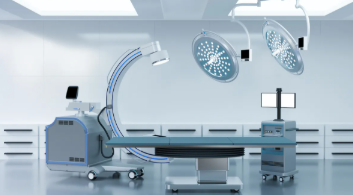
Medical imaging depends on the precise conversion of electrical energy into controlled X-ray output, and this process begins with the reliability of X-ray high voltage generators. These systems regulate voltage levels with exceptional accuracy, ensuring that imaging equipment produces consistent radiation intensity for every scan. Even slight fluctuations in voltage can compromise image clarity, leading to diagnostic uncertainty. By maintaining stable electrical flow, high voltage generators enable sharper contrast, improved resolution, and repeatable results across different imaging sessions. This level of precision is particularly important in detecting subtle abnormalities that require clear visualization.
Beyond technical performance, stable power delivery also reduces the need for retakes, improving workflow efficiency and minimizing patient exposure. In modern healthcare environments where accuracy is non-negotiable, the generator serves as the silent backbone that ensures imaging systems function with dependable precision and reliability.
Enhancing Patient Safety Through Controlled Energy Output
Safety is a fundamental priority in medical imaging, and the ability to manage radiation exposure effectively is directly linked to the performance of high-voltage systems. Advanced generator technologies are designed to deliver controlled energy output, ensuring that patients receive only the necessary radiation dose required for accurate imaging. This balance between safety and performance is achieved through intelligent regulation mechanisms that monitor and adjust voltage in real time. By preventing sudden spikes or inconsistencies, these systems protect both patients and operators from unnecessary risk.
Additionally, improved control reduces cumulative radiation exposure, which is particularly important in procedures requiring repeated scans. Reliable voltage management also supports compliance with stringent healthcare regulations and safety standards. As imaging technologies continue to advance, the role of efficient power systems becomes even more critical in maintaining safe operational practices while delivering high-quality diagnostic results across diverse clinical applications.
Supporting Advanced Imaging Modalities and Technologies
Modern medical imaging extends beyond basic radiography, encompassing advanced modalities such as computed tomography and digital imaging systems. These technologies require highly responsive and adaptable power systems capable of meeting complex operational demands. Well-engineered X-ray high voltage generators enable seamless integration with sophisticated imaging equipment, ensuring that performance remains consistent across varying workloads. The ability to rapidly adjust voltage levels allows imaging systems to capture detailed cross-sectional images and dynamic scans without compromising quality. This adaptability is essential in high-demand healthcare environments where efficiency and accuracy must coexist.
Furthermore, advanced generators support automation features, enabling synchronized operation with imaging software and control systems. This integration enhances overall system performance and reduces the likelihood of technical disruptions. As medical imaging continues to evolve, the importance of flexible and intelligent power solutions becomes increasingly evident in supporting innovation and improving diagnostic capabilities.
See also; The Impact of Social Media Technology
Improving Operational Efficiency and Equipment Longevity
Efficiency in medical imaging is not limited to speed alone; it also involves reliability, reduced downtime, and optimized equipment performance. High-quality generators contribute significantly to operational efficiency by ensuring a stable and uninterrupted power supply. When voltage levels are consistently maintained, imaging equipment experiences less stress, leading to fewer mechanical failures and extended service life. This reliability translates into cost savings for healthcare facilities, as maintenance requirements are reduced and system uptime is maximized.
In addition, efficient power management supports faster imaging cycles, allowing medical professionals to serve more patients without compromising quality. The integration of monitoring features within modern generator systems also enables predictive maintenance, identifying potential issues before they escalate. By combining durability with intelligent functionality, these systems play a vital role in enhancing overall workflow efficiency while preserving the long-term value of imaging infrastructure in demanding clinical environments.
Enabling Future-Ready Imaging Infrastructure
The future of medical imaging is defined by innovation, digital transformation, and the integration of smart technologies. As healthcare systems adopt more advanced diagnostic tools, the demand for adaptable and scalable power solutions continues to grow. These generators are evolving to meet these requirements by incorporating digital controls, energy-efficient designs, and enhanced connectivity features. These advancements allow healthcare providers to upgrade their imaging capabilities without extensive infrastructure changes. Future-ready generator systems are designed to support emerging technologies, including AI-assisted diagnostics and real-time imaging analysis. Their ability to deliver precise and consistent power ensures that new innovations can operate at optimal performance levels.
Additionally, energy-efficient designs contribute to sustainability goals by reducing power consumption without compromising output quality. As the healthcare industry moves toward more integrated and intelligent systems, the role of advanced generators becomes increasingly central in enabling a seamless transition to next-generation imaging solutions.
Conclusion
The effectiveness of medical imaging systems is fundamentally tied to the quality and reliability of the power systems that support them. From ensuring precise image clarity to maintaining patient safety and enabling advanced technologies, high-voltage generators play a critical role in every aspect of imaging performance. Their contribution extends beyond functionality, influencing efficiency, cost management, and long-term infrastructure sustainability. As healthcare demands continue to evolve, investing in advanced power solutions becomes essential for maintaining high standards of diagnostic accuracy. A dependable high-voltage generator solution not only enhances current capabilities but also prepares facilities for future advancements in medical imaging.
For those seeking reliable and innovative technologies, VJ X-Ray offers solutions designed to deliver precision, safety, and performance in modern imaging environments. With a strong focus on advanced engineering and consistent output, the company supports healthcare providers in achieving accurate diagnostics while maintaining operational efficiency. Their commitment to quality and innovation ensures dependable performance across diverse and demanding medical imaging applications.