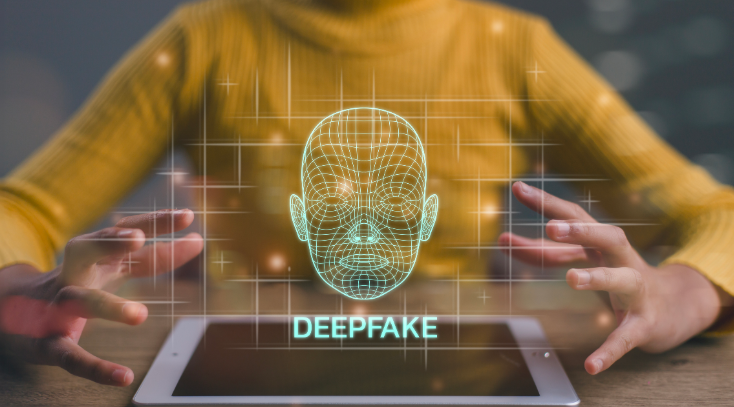
In recent years, artificial intelligence has made tremendous progress—unlocking new possibilities in entertainment, communication, and automation. However, alongside these innovations, a darker use of AI has emerged: deepfakes. These highly realistic, AI-generated videos, images, and audio clips can convincingly mimic real people, making it increasingly difficult to distinguish truth from manipulation. As we move through 2026, deepfake detection has become more critical than ever before.
The Rapid Rise of Deepfake Technology
Deepfakes are created using advanced machine learning techniques, particularly deep neural networks that analyze and replicate human facial expressions, voice patterns, and movements. What once required sophisticated tools and expertise is now accessible to almost anyone with a computer.
In 2026, deepfake tools are more powerful, faster, and easier to use than ever before. From harmless entertainment content to malicious impersonations, the line between real and fake media is becoming dangerously blurred.
The Threat to Digital Trust
One of the biggest concerns surrounding deepfakes is their impact on trust. In a digital world where people rely heavily on online content for news, communication, and decision-making, the ability to verify authenticity is crucial.
Deepfakes can:
- Spread misinformation and fake news
- Manipulate public opinion
- Damage reputations
- Create confusion during critical events
Without reliable detection systems, individuals and organizations may struggle to determine what is real, leading to a breakdown in digital trust.
Deepfakes in Politics and Global Security
Deepfakes pose a serious threat to political stability and global security. Imagine a fabricated video of a political leader making controversial statements or declaring false policies. Such content can spread rapidly across social media, influencing elections, inciting unrest, or damaging diplomatic relations.
In 2026, governments and institutions are increasingly aware of these risks. Deepfake detection is now a key component in safeguarding democratic processes and preventing information warfare.
Financial Fraud and Identity Theft
Cybercriminals are also leveraging deepfake technology for financial gain. Voice cloning and video impersonation can be used to trick employees, executives, or customers into transferring money or revealing sensitive information.
For example, a deepfake audio clip of a CEO instructing a financial transfer can appear completely authentic. Without proper detection tools, businesses are vulnerable to such sophisticated scams.
This makes deepfake detection essential for:
- Fraud prevention
- Identity verification
- Secure communications
Impact on Social Media and Content Platform
Social media platforms are at the forefront of the deepfake challenge. With billions of users sharing content daily, identifying manipulated media in real time is a massive task.
Deepfakes can go viral within minutes, amplifying misinformation before it can be fact-checked. As a result, platforms are investing heavily in detection technologies and moderation systems to identify and remove harmful content quickly.
However, detection alone is not enough—platforms must also educate users about recognizing suspicious content.
The Role of AI in Deepfake Detection
Ironically, the same technology used to create deepfakes is also being used to detect them. AI-powered detection tools analyze inconsistencies in facial movements, lighting, audio patterns, and metadata to identify manipulated content.
Modern detection systems can:
- Identify unnatural blinking or facial distortions
- Detect mismatched audio and lip movements
- Analyze pixel-level anomalies
- Verify content authenticity through digital signatures
As deepfake technology evolves, detection methods must continuously adapt to stay effective.
See also: The Impact of Social Media Technology
Challenges in Detecting Deepfakes
Despite advancements, deepfake detection is not foolproof. As creators improve their techniques, deepfakes are becoming increasingly difficult to identify—even for advanced systems.
Some key challenges include:
- High-quality deepfakes that mimic real data perfectly
- Lack of standardized detection frameworks
- Limited public awareness
- The speed at which deepfakes spread online
This ongoing “arms race” between creation and detection makes continuous innovation essential.
The Importance of Awareness and Education
Technology alone cannot solve the deepfake problem. Public awareness plays a crucial role in combating misinformation.
Individuals should be encouraged to:
- Verify sources before sharing content
- Look for inconsistencies in videos and audio
- Use trusted platforms and tools for validation
- Stay informed about emerging digital threats
Educating users helps build a more resilient digital environment where misinformation is less likely to spread.
The Future of Deepfake Detection
Looking ahead, deepfake detection will become an integral part of digital ecosystems. Governments, tech companies, and cybersecurity firms are collaborating to develop more robust solutions.
Future trends may include:
- Real-time detection integrated into social platforms
- Blockchain-based media verification
- Stronger regulations and legal frameworks
- Advanced AI models capable of detecting even the most sophisticated deepfakes
As these technologies evolve, the goal is not only to detect deepfakes but to prevent their misuse altogether.
Final Thoughts
In 2026, deepfake detection is no longer optional—it is essential. From protecting individuals and businesses to preserving democracy and global stability, the stakes have never been higher.
While deepfake technology continues to advance, so too must our efforts to detect and combat it. By combining cutting-edge AI, strong policies, and public awareness, we can safeguard the integrity of digital content and maintain trust in an increasingly complex online world.
The battle against deepfakes is ongoing—but with the right tools and strategies, it is one we can win.
