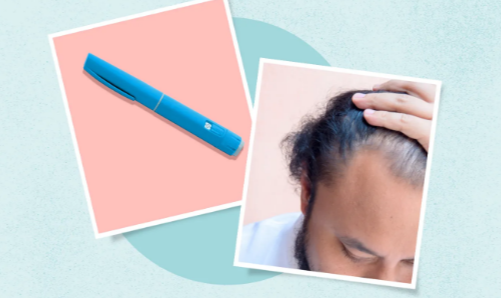
Many people exploring GLP-1 medications often wonder if these treatments can cause hair loss. The straightforward answer is that there is currently no strong scientific evidence directly linking GLP-1 receptor agonists to hair loss as a common or expected side effect. However, concerns persist due to anecdotal reports and the complex factors influencing hair health. This article examines common questions around GLP-1 hair loss, explores potential risk factors, and offers a practical framework for evaluating treatment options.
Understanding GLP-1 and Its Role
GLP-1 stands for glucagon-like peptide-1, which is a hormone involved in regulating blood sugar levels and appetite. Medications that mimic GLP-1 are often prescribed for type 2 diabetes and obesity management. These drugs work by enhancing insulin secretion and slowing gastric emptying, among other effects. Because GLP-1 medications influence metabolism and weight, they are sometimes associated with various side effects, but hair loss is not widely documented as one of them.
Why Do Some People Report Hair Loss?
Despite the lack of robust clinical data, some users of GLP-1 drugs have reported experiencing hair thinning or shedding. Hair loss can be caused by numerous factors including nutritional deficiencies, stress, rapid weight loss, hormonal imbalances, and underlying medical conditions. It is possible that changes in diet or metabolism during GLP-1 treatment may contribute indirectly to hair changes. For example, rapid weight loss can sometimes induce temporary hair shedding known as telogen effluvium.
Differentiating Hair Loss Causes During GLP-1 Use
When evaluating whether GLP-1 medications might be responsible for hair loss, it’s important to consider alternative explanations. Common confounders include:
– Nutritional factors: Inadequate intake of protein, iron, or other nutrients essential for hair health.
– Stress levels: Both physical and emotional stress can trigger hair shedding.
– Concurrent medications: Other drugs taken alongside GLP-1 therapies might have hair loss as a side effect.
– Medical conditions: Thyroid disorders, autoimmune diseases, and scalp infections can affect hair growth.
This complexity highlights why attributing hair loss solely to GLP-1 agents can be misleading without thorough evaluation.
Practical Evaluation Framework for GLP-1 Hair Loss Concerns
If you or someone you know is concerned about hair loss while using GLP-1 medications, the following approach may help clarify the situation:
1. Document Timing: Note when hair loss began relative to starting the medication.
2. Assess Other Symptoms: Identify any additional side effects or health changes.
3. Review Diet and Nutrition: Ensure balanced intake of hair-supportive nutrients.
4. Evaluate Stress and Lifestyle: Consider recent life events or habits that might impact hair health.
5. Consult Healthcare Providers: Discuss symptoms with a medical professional who can order relevant tests.
6. Consider Medication Review: Examine all current medications for potential hair loss associations.
This systematic evaluation can help distinguish whether hair loss is likely related to GLP-1 treatment or other factors.
Better Comparison Criteria for Selecting GLP-1 Options
When comparing GLP-1 medications, focusing on factors that are well studied and impactful is more useful than hair loss concerns alone. Criteria to consider include:
– Efficacy for glucose control or weight loss goals.
– Side effect profiles supported by clinical evidence.
– Dosage convenience and administration method.
– Cost and insurance coverage.
– Individual medical history and risk factors.
For a detailed side-by-side assessment of GLP-1 treatments and their side effects, the full FormBlends comparison provides a transparent and thorough resource.
Frequently Asked Questions
Does GLP-1 cause permanent hair loss?
Currently, there is no strong evidence suggesting permanent hair loss from GLP-1 medications. Any hair shedding reported tends to be temporary and may be related to indirect factors such as weight changes.
Can hair loss start immediately after beginning GLP-1 therapy?
Hair loss related to metabolic or nutritional changes typically takes several weeks to become noticeable. Immediate hair loss after starting GLP-1 drugs is uncommon and should prompt evaluation for other causes.
Are there ways to prevent hair loss while using GLP-1 drugs?
Maintaining a balanced diet, managing stress, and monitoring overall health can support hair health during GLP-1 treatment. Regular communication with healthcare providers is important to address any concerns early.
Final Note
This article is intended to provide general information about the potential relationship between GLP-1 medications and hair loss. It does not replace professional medical advice. Anyone experiencing hair changes during treatment should seek personalized evaluation from a healthcare professional to determine appropriate care.
