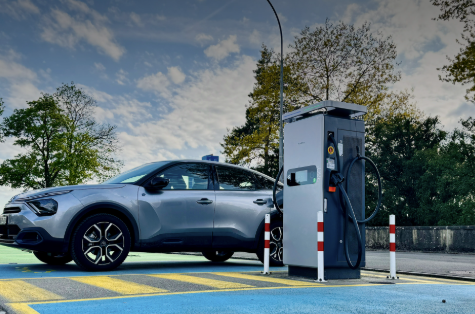
As electric vehicles (EVs) become increasingly popular, the demand for convenient home charging solutions is growing rapidly. EV residential charging stations provide a reliable and efficient way for EV owners to charge their vehicles at home, offering convenience, safety, and cost savings. Installing a residential charging station ensures that your electric car is always ready to go while supporting sustainable transportation.
Why Choose EV Residential Charging Stations
EV residential charging stations offer numerous advantages compared to relying solely on public charging networks. Having a dedicated home charger ensures consistent access to power, reduces reliance on public infrastructure, and can be customized to fit your home’s electrical capacity and your vehicle’s needs.
Benefits of Residential Charging Stations
- Convenience: Charge your EV overnight or whenever it’s parked at home.
- Faster Charging: Home stations often provide higher charging speeds compared to standard outlets.
- Safety: Residential stations are designed with built-in safety features such as overload protection and grounding.
- Cost Savings: Charging at home, especially during off-peak electricity hours, can significantly reduce energy costs.
Types of EV Residential Charging Stations
Choosing the right EV residential charging station depends on your vehicle, daily driving patterns, and available electrical infrastructure. Here are the most common types:
Level 1 Charging
Level 1 chargers use a standard 120-volt household outlet. While this option requires no special installation, it provides slower charging, often taking 8–12 hours to fully charge an EV. Level 1 charging is suitable for plug-in hybrid vehicles or drivers with short daily commutes.
Level 2 Charging
Level 2 chargers require a 240-volt outlet and offer much faster charging times, typically 3–8 hours for a full charge depending on the vehicle. Level 2 stations are the most popular choice for residential installations, offering a balance of speed and efficiency.
Smart Charging Stations
Smart ev residential charging stations features such as Wi-Fi connectivity, scheduling, energy monitoring, and mobile app control. These stations allow homeowners to optimize charging times, track energy usage, and even integrate with solar panels or home energy management systems.
Installing an EV Residential Charging Station
Proper installation is crucial to ensure safety and efficiency. Follow these steps when setting up a residential charging station:
See also: How to Prepare for Online Exams and Achieve Academic Success
Assess Electrical Capacity
Consult a licensed electrician to evaluate your home’s electrical system and determine whether upgrades are necessary. Ensure the system can handle the additional load of a Level 2 charger if needed.
Choose the Right Charger
Select a charging station compatible with your vehicle’s specifications. Consider factors such as charging speed, cable length, and smart features.
Professional Installation
Hire a certified electrician for safe and compliant installation. Proper grounding, circuit breakers, and adherence to local regulations are essential to prevent hazards and ensure optimal performance.
Maintenance and Safety Tips
Maintaining your EV residential charging station ensures longevity and reliable performance. Here are some key tips:
- Regularly inspect cables and connectors for wear or damage.
- Keep the charging area clean and free of debris.
- Avoid using extension cords or damaged outlets.
- Follow manufacturer instructions for software updates and smart features.
Advantages of Home EV Charging Over Public Stations
Charging your EV at home provides flexibility, privacy, and efficiency. Unlike public charging stations, home chargers allow you to charge your vehicle whenever convenient, avoid long waiting times, and benefit from lower electricity rates. Additionally, home chargers reduce reliance on external infrastructure, supporting a more sustainable lifestyle.
Frequently Asked Questions
Q1: How long does it take to fully charge an EV at home?
Charging time depends on the type of charger. Level 1 chargers take 8–12 hours, while Level 2 chargers typically take 3–8 hours.
Q2: Can I install a Level 2 EV charger myself?
It is recommended to hire a licensed electrician for Level 2 installation to ensure safety, compliance, and proper electrical setup.
Q3: Are residential EV chargers compatible with all electric vehicles?
Most EV chargers are compatible with standard connectors, but always check your vehicle’s specifications to ensure compatibility.
Conclusion
EV residential charging stations are essential for any electric vehicle owner seeking convenience, efficiency, and cost savings. With options ranging from basic Level 1 chargers to advanced smart chargers, homeowners can tailor their charging solutions to meet their specific needs. Investing in a residential charging station not only ensures your EV is always ready to drive but also contributes to sustainable living by promoting clean energy use and reducing reliance on public infrastructure.