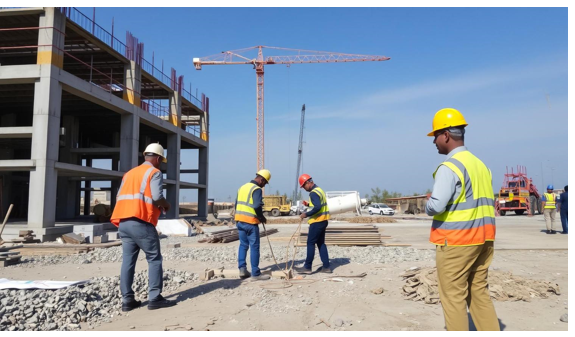
Regulatory compliance is one of the most critical pillars of successful commercial development. In dynamic markets such as the UAE, particularly within commercial civil construction in Dubai, firms must navigate strict building codes, safety regulations, environmental standards, and contractual obligations. Ensuring compliance is not just about avoiding penalties. It protects investments, ensures worker safety, maintains structural integrity, and safeguards long-term business reputation.
Commercial projects involve multiple stakeholders, including developers, contractors, consultants, suppliers, and government authorities. Coordinating these parties while adhering to complex regulations requires structured planning and disciplined execution. Construction firms that prioritize compliance from the earliest planning stages are better positioned to deliver projects efficiently and responsibly.
Understanding Regulatory Frameworks
Compliance begins with a thorough understanding of local laws and industry regulations. Commercial construction projects are governed by building codes, zoning laws, fire safety standards, environmental requirements, and labor regulations. These rules vary by jurisdiction and may be updated frequently.
Construction firms typically maintain dedicated compliance teams or legal advisors who monitor regulatory changes. Early review of statutory requirements ensures that project designs align with legal standards before construction begins. This proactive approach reduces the risk of costly redesigns or project delays.
Detailed Planning and Documentation
One of the primary ways firms ensure compliance is through meticulous documentation. Before breaking ground, project teams prepare comprehensive drawings, structural calculations, risk assessments, and environmental impact studies. These documents are submitted to the relevant authorities for approval.
Accurate documentation serves several purposes. It demonstrates adherence to regulatory requirements, provides a roadmap for contractors, and creates an audit trail in case of inspections. Proper record keeping is essential in commercial projects where accountability is critical.
Permits and Approvals
Obtaining the necessary permits is a non-negotiable step in commercial construction. Permits may include building approvals, environmental clearances, fire department certifications, and utility connections. Each stage of construction may require inspection and sign-off from regulatory authorities.
Firms involved in commercial civil construction in Dubai assign experienced project managers to coordinate with government bodies and ensure the timely submission of applications. Delays in approvals can significantly impact project timelines, so maintaining clear communication with regulators is essential.
Quality Control Systems
Compliance is closely tied to quality assurance. Construction firms implement structured quality control processes to verify that materials, workmanship, and structural components meet approved specifications.
Regular inspections are conducted throughout the project lifecycle. Independent testing laboratories may be engaged to assess material strength, welding integrity, or concrete performance. These measures ensure that the final structure complies with safety standards and engineering benchmarks.
See also: The Impact of Social Media Technology
Health and Safety Management
Worker safety is a fundamental compliance requirement in commercial projects. Construction sites present inherent risks, including heavy machinery operation, working at heights, and electrical hazards.
To address these risks, firms implement comprehensive health and safety management systems. These include safety training programs, protective equipment requirements, hazard identification procedures, and emergency response plans. Regular toolbox meetings and site audits reinforce safety protocols and minimize workplace incidents.
Adherence to occupational health standards not only protects employees but also demonstrates regulatory responsibility to authorities and project owners.
Environmental Compliance
Sustainability and environmental responsibility have become increasingly important in commercial construction. Regulations often require waste management plans, dust control measures, noise reduction strategies, and energy efficiency standards.
Construction firms integrate environmentally conscious practices into project execution. Recycling construction waste, using sustainable materials, and implementing water conservation techniques help meet environmental guidelines. Compliance in this area enhances corporate reputation and supports long-term environmental goals.
Contractual Compliance and Risk Management
Commercial construction projects are governed by detailed contracts outlining responsibilities, timelines, and quality expectations. Ensuring compliance with contractual obligations is as important as meeting statutory requirements.
Project managers monitor progress against agreed milestones and maintain transparent communication with clients. Clear reporting structures reduce misunderstandings and help resolve disputes efficiently. Risk management strategies identify potential compliance gaps early, allowing corrective action before issues escalate.
Skilled Workforce and Continuous Training
Compliance depends heavily on the knowledge and competence of the workforce. Construction firms invest in training programs to ensure engineers, supervisors, and laborers understand updated regulations and safety practices.
Continuous professional development helps teams stay informed about new building codes, technological advancements, and industry standards. Skilled personnel are better equipped to execute complex projects while adhering to strict guidelines.
Use of Technology in Compliance
Modern construction firms leverage technology to enhance compliance monitoring. Digital project management systems track documentation, inspections, and approvals in real time. Building Information Modeling enables accurate visualization of structural components before physical construction begins.
Drones and site monitoring tools assist in identifying safety risks and verifying adherence to design specifications. By integrating technology into operations, firms improve transparency and reduce the likelihood of regulatory breaches.
Regular Audits and Internal Reviews
Internal audits are a proactive way to maintain compliance. Firms conduct periodic reviews of processes, safety measures, and documentation to identify potential gaps. These audits help ensure that policies are consistently implemented across all project phases.
External audits may also be conducted by independent consultants or regulatory authorities. Being prepared for inspections reflects strong organizational discipline and reinforces trust with clients and stakeholders.
Collaboration with Reliable Suppliers
Material quality directly impacts compliance. Construction firms partner with reputable suppliers who meet certified standards for steel, concrete, and other essential materials. Supplier evaluations and performance reviews ensure consistent quality across projects.
Reliable sourcing reduces the risk of structural deficiencies and supports adherence to engineering requirements. Strong supplier relationships contribute significantly to overall compliance success.
Conclusion
Ensuring compliance in commercial construction projects requires strategic planning, skilled management, rigorous quality control, and constant regulatory awareness. From securing permits and maintaining safety standards to implementing environmental practices and leveraging technology, construction firms adopt comprehensive systems to meet legal and contractual obligations.
Reputable civil and construction companies understand that compliance is the foundation of sustainable growth and client trust. Biston Steel Manufacturing contributes to this ecosystem by delivering high-quality steel fabrication solutions that align with strict industry standards. With a focus on precision engineering, material reliability, and project collaboration, Biston Steel Manufacturing supports commercial developments through dependable structural components that meet regulatory benchmarks while enhancing overall construction performance and long term structural integrity.