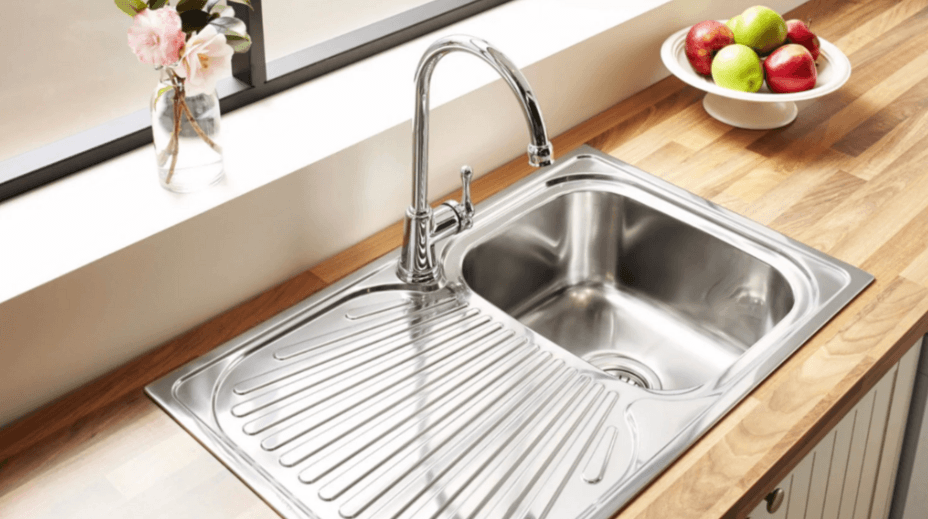
Kitchen sink blockages are one of the most common plumbing issues in any home. They often develop slowly, starting with minor buildup that eventually restricts water flow and causes inconvenience. Many homeowners search for how to unblock kitchen sink easily solutions, but prevention is always the better and more cost-effective approach.
By understanding what causes blockages and adopting simple maintenance habits, you can keep your kitchen drain running smoothly and avoid unexpected plumbing problems. A proactive approach not only saves money but also extends the lifespan of your plumbing system.
Why Kitchen Sink Blockages Happen
Kitchen sinks handle a variety of waste materials every day, making them more prone to blockages than other drains. Grease, oils, and food particles are the main contributors, as they tend to stick to the inner walls of pipes and gradually build up over time.
When grease cools, it solidifies and creates a sticky surface that traps other debris. Small food scraps, coffee grounds, and starchy substances like pasta or rice can accumulate and reduce water flow. Over time, this buildup leads to partial or complete blockages. Understanding these causes is the first step in preventing problems. By being mindful of what goes down your sink, you can significantly reduce the risk of clogs forming.
Be Careful with What Goes Down the Drain
One of the simplest ways to prevent blockages is to control what enters your kitchen sink. Many common habits contribute to buildup, often without homeowners realising the long-term impact. Avoid pouring grease, oil, or fat down the drain, as these substances harden and stick to pipes. Instead, allow them to cool and dispose of them in the bin. Food scraps should also be removed from plates before washing dishes to minimise debris entering the system. Using a sink strainer is a practical way to catch leftover particles and prevent them from going down the drain. This small step can make a big difference in maintaining a clear and functional system.
Flush Your Drain Regularly with Hot Water
Regularly flushing your drain with hot water is an effective way to prevent buildup. Hot water helps dissolve grease and wash away small particles before they have a chance to accumulate. Make it a habit to run hot water down the sink after washing dishes or using the kitchen. This simple routine keeps pipes cleaner and reduces the likelihood of blockages forming over time. For better results, you can occasionally pour a kettle of hot water down the drain. This provides a more thorough flush and helps maintain smooth water flow.
Use Natural Cleaning Methods for Maintenance
Natural cleaning methods can help maintain your sink without the need for harsh chemicals. A combination of baking soda and vinegar is a popular and effective solution for breaking down residue inside pipes. Pour baking soda into the drain, followed by vinegar, and allow the mixture to sit for a short period. This reaction helps loosen buildup and keeps the pipes clean. Afterward, flush the drain with hot water to remove any remaining debris. Using this method regularly can help prevent clogs and keep your plumbing system functioning efficiently.
Avoid Chemical Drain Cleaners
While chemical drain cleaners may seem like a quick fix, they can cause more harm than good in the long run. These products often contain harsh ingredients that can damage pipes, especially if used frequently. Over time, repeated use of chemical cleaners can weaken plumbing materials and lead to leaks or corrosion. They may also fail to remove the entire blockage, providing only a temporary solution. Instead of relying on chemicals, it is better to use safe cleaning methods and seek professional help when needed. This approach protects your plumbing system and ensures more effective results.
Maintain Good Kitchen Habits
Preventing sink blockages is not just about occasional cleaning but also about maintaining good daily habits. Simple changes in how you use your sink can significantly reduce the risk of clogs. Always scrape food scraps into the bin before washing dishes. Avoid rinsing large amounts of residue down the drain, and be mindful of how much grease is being disposed of. These small adjustments help keep your pipes clear and functioning properly. Consistency is key. By adopting these habits as part of your routine, you can maintain a clean and efficient drainage system over time.
Schedule Regular Professional Inspections
Even with good maintenance habits, it is still beneficial to schedule periodic inspections with a professional plumber. These inspections help identify potential issues before they develop into major problems. Professional plumbers use advanced tools to check the condition of your pipes and detect any buildup or damage. Early detection allows for timely intervention, reducing the risk of costly repairs. Regular inspections also provide peace of mind, knowing that your plumbing system is in good condition and operating efficiently.
See also: How to Hire a Reliable Removalist Sydney for Home Shifting
Know When to Act Quickly
Despite your best efforts, blockages can still occur. Recognising the early signs of a problem allows you to act quickly and prevent further damage. Signs such as slow drainage, unpleasant odours, or unusual sounds from the pipes should not be ignored. Addressing these issues early can prevent a minor blockage from becoming a major repair. If basic methods do not resolve the issue, contacting a professional plumber ensures that the problem is handled safely and effectively.
Conclusion
Preventing kitchen sink blockages is all about adopting the right habits and maintaining your plumbing system regularly. By being mindful of what goes down the drain, using natural cleaning methods, and flushing your pipes with hot water, you can keep your sink running smoothly.
Taking a proactive approach reduces the risk of clogs and helps avoid costly repairs. With consistent care and occasional professional support, your kitchen plumbing system can remain efficient and reliable for years to come.
