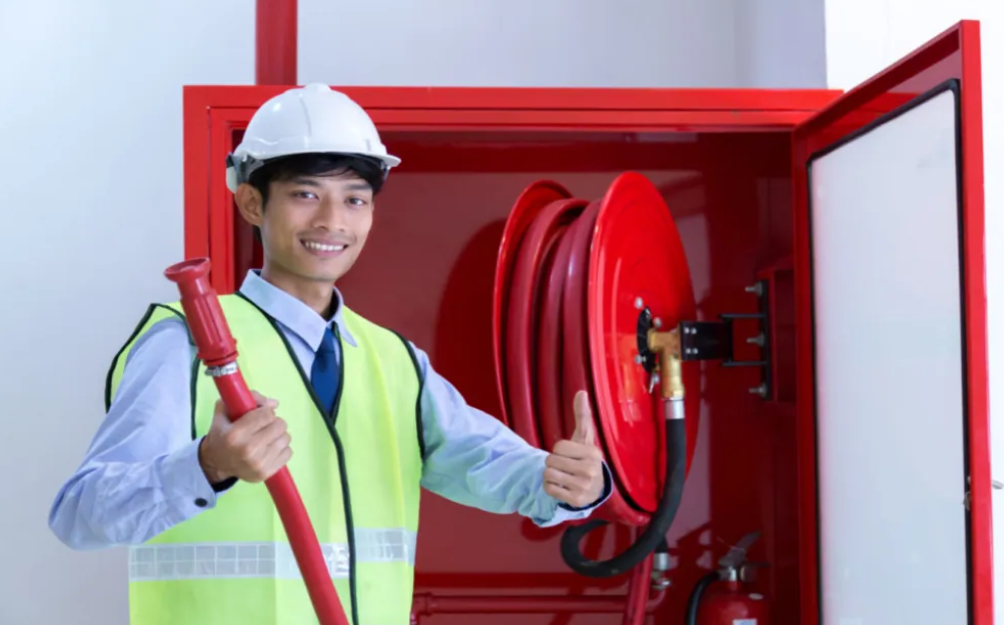
Fire is one of the most significant hazards that can threaten people, property, and operations. A Fire Risk Assessment is a systematic approach to identifying fire hazards, evaluating risks, and implementing preventive measures. This process is essential for ensuring safety, minimizing damage, and complying with legal regulations.
What is a Fire Risk Assessment?
A Fire Risk Assessment is a structured evaluation of a workplace, building, or facility to identify potential fire hazards, determine the risks to people and property, and implement control measures to reduce or eliminate those risks. It is not a one-time task but a continuous process that must be updated regularly to address new hazards or changes in operations.
Why Fire Risk Assessment is Important
Conducting a fire risk assessment is essential for multiple reasons:
- Protecting Lives: The primary objective is to ensure the safety of employees, visitors, and contractors.
- Preventing Property Damage: Fires can cause substantial destruction to buildings, machinery, and inventory. Assessments help reduce these risks.
- Legal Compliance: Many countries mandate documented fire risk assessments to meet fire safety regulations.
- Business Continuity: Minimizing the risk of fire ensures uninterrupted operations and reduces financial losses.
- Insurance Requirements: Insurance policies often require evidence of a fire risk assessment to provide coverage.
See also: How to Meet New BASIX Requirements in NSW: Your 2026 Compliance Guide
Steps in Conducting a Fire Risk Assessment
A comprehensive Fire Risk Assessment involves several critical steps:
1. Identify Fire Hazards
The first step is to identify potential sources of fire. Common hazards include:
- Electrical appliances, faulty wiring, and overloaded circuits
- Flammable liquids, gases, and chemicals
- Combustible materials like paper, textiles, and wood
- Heating equipment, cooking appliances, and open flames
2. Identify People at Risk
Determine who may be affected if a fire occurs:
- Employees and staff
- Visitors and customers
- Contractors and maintenance personnel
- Vulnerable individuals such as children, elderly, or disabled persons
3. Evaluate Risks
After identifying hazards and people at risk, assess:
- The likelihood of a fire occurring
- The potential impact on people and property
- Existing preventive measures and additional actions required
Effective risk evaluation helps in determining appropriate safety measures such as fire alarms, extinguishers, evacuation plans, and safe storage of flammable materials.
4. Record Findings
Document all findings in a fire risk assessment report. The report should include:
- Fire hazards identified
- People at risk
- Control measures in place
- Recommendations for improvement
Proper documentation is critical for legal compliance and ongoing safety monitoring.
5. Review and Update
Fire risk assessments should be reviewed regularly or when significant changes occur, such as:
- Renovations or structural changes to a building
- Introduction of new equipment, chemicals, or processes
- Changes in staff or occupancy
- Updates to fire safety regulations
- Any incidents or near-misses
Fire Safety Measures
Following a fire risk assessment, organizations should implement necessary measures to prevent and manage fires:
- Fire detection systems such as smoke and heat alarms
- Fire suppression systems including sprinklers and extinguishers
- Clearly marked and unobstructed emergency exits
- Regular fire drills and staff training
- Proper storage and handling of flammable materials
- Maintenance of electrical systems and fire safety equipment
Benefits of Fire Risk Assessment
The benefits of conducting a fire risk assessment include:
- Reducing the likelihood of fire outbreaks
- Protecting human life and minimizing injuries
- Limiting damage to property and assets
- Ensuring compliance with legal and regulatory standards
- Enhancing emergency preparedness and response
- Promoting a culture of safety within the organization
Conclusion
A Fire Risk Assessment is an essential part of any safety management strategy. By identifying hazards, evaluating risks, and implementing preventive measures, organizations can ensure the safety of employees, visitors, and property. Regular reviews, staff training, and proactive fire safety practices help maintain a secure environment and demonstrate a strong commitment to safety. Fire risk assessment is more than a regulatory requirement—it is a responsibility that protects lives, property, and the future of an organization.