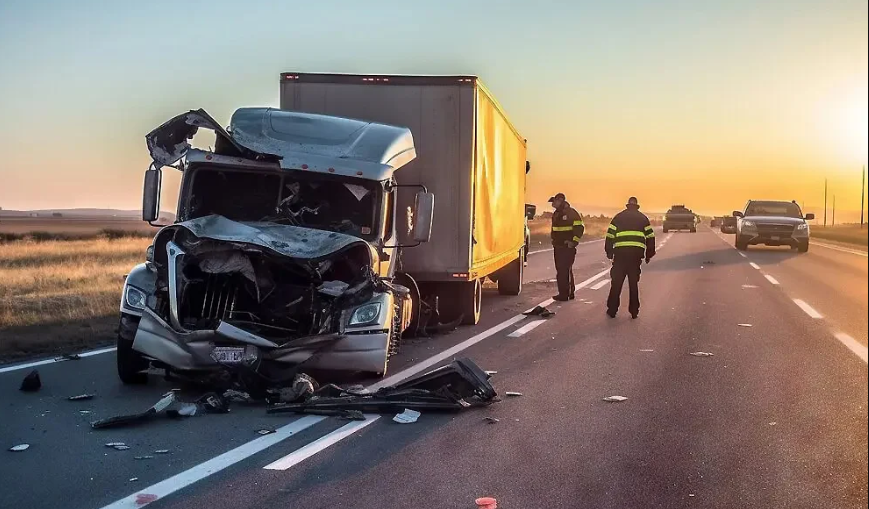
Houston runs on trucks. They haul fuel, food, steel, and just about everything else. You see them on I-10, Loop 610, and side roads at all hours. Most days, it’s routine. Some days, it turns violent in seconds. A truck crash doesn’t feel like a normal wreck. The size gap alone changes everything. So does the law. If you were hit by a commercial truck, you may already sense this. The calls feel colder. The paperwork piles up fast. And someone always says, “We’re still investigating.” Here’s the thing. Truck accident liability is rarely simple. And that’s exactly why victims need clear facts early. Let’s walk through what matters, without legal fluff.
Why Truck Accidents Hit So Hard
A fully loaded tractor-trailer can weigh 80,000 pounds. Most cars weigh under 4,000. That gap turns minor mistakes into major harm. Longer stops. Wide turns. Blind spots the size of small rooms. When a truck driver drifts, speeds, or misses a sign, damage multiplies. Bones break easier. Recovery takes longer. Bills stack fast. That physical gap drives legal complexity too. More rules apply. More players get involved. More lawyers circle the file.
Liability Isn’t Just About the Driver
People assume the driver takes the blame. Sometimes that’s true. Often, it’s only part of the story. Truck accidents usually trigger a chain reaction of fault. Each link matters.
Liability can fall on:
- The truck driver
- The trucking company
- A cargo loader
- A repair shop
- A parts maker
- Even another careless driver
Texas law allows claims against all responsible parties. That’s not greed. That’s fair.
See also: business background check guide
When the Truck Driver Is at Fault
Drivers still make human mistakes. They speed. They check phones. They drive tired. Federal rules limit drive time for a reason. Fatigue slows reaction and dulls judgment. Yet logs get “adjusted” more than people think.
Driver fault often comes from:
- Speeding or tailgating
- Distracted driving
- Driving past legal hour limits
- Drug or alcohol use
- Poor training
If the driver caused the crash, they may be liable. But don’t stop there. Ask who put them on the road.
The Trucking Company’s Role
Trucking companies control more than they admit. They hire. They train. They schedule routes and deadlines. And pressure matters. When companies push drivers to meet tight delivery times, safety slips. Skipped rest breaks. Rushed inspections. Ignored warnings.
Companies may be liable for:
- Hiring unsafe drivers
- Failing to train staff
- Skipping background checks
- Poor vehicle upkeep
- Forcing unsafe schedules
Texas law allows victims to hold companies accountable. This matters because companies carry larger insurance policies. Those policies often cover real recovery costs.
Third Parties Often Share Blame
Here’s a twist many victims miss. Sometimes the driver did nothing wrong. Cargo can shift if loaded poorly. Brakes fail after bad repairs. Tires blow from defects.
In those cases, liability may fall on:
- Cargo loading crews
- Maintenance contractors
- Parts makers
- Leasing companies
These cases feel complex. They are. But strong evidence brings clarity.
Evidence Is Everything in Truck Cases
Truck cases live and die on proof. And proof fades fast. Black box data can vanish. Log books get “lost.” Trucks get repaired within days.
Key evidence includes:
- Driver logs
- GPS data
- Maintenance records
- Dash cam video
- Cell phone records
- Load reports
You know what? Most victims never see this evidence on their own. That’s why timing matters. Early legal practice action can lock evidence down before it disappears.
Texas Rules That Shape Liability
Texas follows a modified comparative fault. If you’re over 50% at fault, you recover nothing. Under that line, your award drops by your share of blame. Insurance teams know this rule well. They use it to shift blame early. Even small claims of fault can shrink recovery. A missed signal. Five miles over the limit. That’s why clear investigation matters from day one.
Why Truck Claims Feel So Aggressive
Trucking insurers move fast. They know the stakes. Severe injuries mean high payouts. So they act early to limit exposure. You may get calls within hours. Friendly voices. Quick offers. Honestly, that speed isn’t kindness. It’s a strategy. Early settlements often miss long-term costs. Future care. Lost earning power. Pain that doesn’t fade. A seasoned Houston personal injury lawyer can slow the process and protect your ground.
When Legal Help Changes Outcomes
Truck cases aren’t DIY projects. The rules are dense. The defenses are sharp. Firms like Schechter, Shaffer & Harris, LLP – Accident & Injury Attorneys know how these cases move in Houston courts. They know local roads, common carriers, and insurer playbooks. That local insight matters. A lot. It can mean the difference between a quick payout and full recovery.
FAQs About Houston Truck Accident Liability
1. Who can be held liable in a Houston truck accident?
Short answer: More than one party.
Detailed answer:
Liability may include the driver, trucking company, or third parties. Cargo loaders, repair shops, and parts makers often share blame. Each case turns on facts and records. Texas law allows claims against all responsible parties.
2. Is the trucking company always responsible for the driver?
Short answer: Often, but not always.
Detailed answer:
If the driver worked as an employee, the company may be liable. Independent contractor status can change things, but not always. Courts look at control, schedules, and equipment use. Labels alone don’t decide fault.
3. What if I was partly at fault for the crash?
Short answer: You may still recover damages.
Detailed answer:
Texas uses modified comparative fault rules. If you’re under 51% at fault, you can recover damages. Your award drops by your fault share. Clear evidence helps keep blame where it belongs.
4. How long do I have to file a truck accident claim?
Short answer: Two years in most cases.
Detailed answer:
Texas gives two years from the crash date. Waiting risks lost evidence and weaker claims. Some cases involve shorter notice rules. Early action protects your rights.
5. Why are truck accident settlements higher than car accidents?
Short answer: Damage and risk are greater.
Detailed answer:
Truck crashes cause severe injuries more often. Medical costs rise fast. Insurance limits are higher. Liability often spreads across multiple parties, increasing claim value.
Truck accidents leave real scars. Physical ones. Financial ones too. Understanding liability helps you regain control. It turns confusion into clear next steps. And when the road ahead feels uncertain, experienced local guidance makes all the difference.