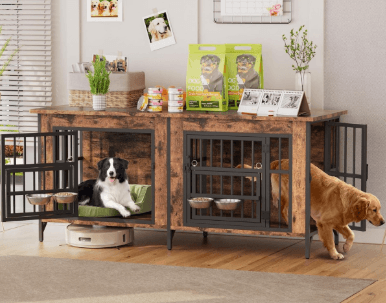
Choosing the right environment for your dog is one of the most important decisions you can make as a pet owner. Whether you are bringing home a new puppy, managing a busy schedule, or simply trying to create a safer and more comfortable space, the setup you choose matters. When comparing indoor and outdoor arrangements, many pet owners look at dog kennels as a practical solution. The key is understanding which option best fits your dog’s size, breed, personality, and daily routine.
Both indoor and outdoor setups have advantages, but the best choice often depends on your specific living situation and your dog’s needs.
Understanding Your Dog’s Needs First
Before deciding between indoor and outdoor spaces, it helps to think about how your dog behaves throughout the day. Some dogs thrive indoors where they can stay close to their owners, while others enjoy spending more time outside with room to explore.
Energy level plays a major role. High-energy breeds such as Labrador Retrievers, Border Collies, and German Shepherds often benefit from larger spaces and more activity. Smaller or lower-energy breeds may feel more secure in an indoor environment. Age is also important. Puppies and senior dogs typically need more supervision and protection from weather conditions, which often makes indoor housing the better option.
No matter what setup you choose, comfort, safety, and access to food and water should always come first.
The Benefits of Indoor Setups
Indoor setups are often ideal for pet owners who want to keep their dogs nearby and well-supervised. Indoor dog kennels can provide a secure space for sleeping, resting, crate training, or calming anxious pets.
One of the biggest advantages of keeping your dog indoors is climate control. Your pet stays protected from rain, wind, extreme heat, and freezing temperatures. This is especially important for breeds with short coats, small body frames, or health concerns.
Indoor spaces also make it easier to monitor behavior. If your dog is chewing furniture, having accidents, or dealing with separation anxiety, an indoor kennel or designated pet area can help establish structure and routine. Many pet owners use indoor kennels during house training or while introducing a new pet to the home.
Another benefit is cleanliness and convenience. Indoor setups are often easier to maintain because they are less exposed to dirt, mud, pests, and outdoor debris. Plus, your dog remains more integrated into daily family life, which can support emotional well-being and reduce loneliness.
When Outdoor Setups Make Sense
Outdoor setups can be a great option for dogs that need more room to move, play, and burn energy. If you have a fenced yard or larger property, outdoor dog kennels can create a secure area where your pet can enjoy fresh air and exercise while staying safely contained.
For active or working breeds, outdoor spaces can be especially beneficial. Dogs that enjoy running, exploring, and being outside may feel more comfortable with additional room and stimulation. Outdoor kennels can also be useful if you want to give your dog a dedicated space while gardening, hosting guests, or handling household tasks.
However, outdoor setups require more planning than many people realize. Protection from the elements is essential. A high-quality kennel should include shade, shelter, proper ventilation, and a dry place to rest. Dogs should never be left outdoors for long periods without supervision, especially during harsh weather or temperature extremes.
Security is another important factor. Outdoor enclosures should be durable, escape-resistant, and large enough for your dog to move comfortably. Flooring also matters. Grass, gravel, or concrete each have pros and cons, so choose a surface that supports hygiene and paw comfort.
Indoor vs. Outdoor: Which Is Better?
There is no universal answer because the best setup depends on your dog and your lifestyle. Indoor setups tend to be better for dogs that need close supervision, extra protection, or frequent interaction. Outdoor setups can work well for active dogs that benefit from more space and time outside.
In many cases, the best solution is actually a combination of both.
A flexible approach allows your dog to enjoy the security of an indoor resting area while still having access to a safe outdoor space for exercise and enrichment. This can be especially useful for busy households. Your dog can spend time indoors at night or during bad weather and enjoy supervised outdoor kennel time during the day.
This balanced setup often provides the best of both worlds.
See also: Service Apartment Hong Kong: The Ideal Choice for Comfortable Urban Living
What to Look for in Dog Kennels
Whether you are choosing an indoor or outdoor option, the quality of the kennel matters. The right dog kennels should be large enough for your pet to stand, turn around, and lie down comfortably. Sturdy construction, easy-to-clean materials, and secure latches are also important features.
For indoor use, many owners prefer kennels that blend with home décor and offer portability. For outdoor use, weather-resistant materials and roof coverage are especially important. If your dog will spend any amount of time in the kennel regularly, adding bedding, toys, and water access can help make the space more comfortable and inviting.
Final Thoughts
When deciding between indoor and outdoor options, the best setup is the one that supports your dog’s health, safety, and happiness. Indoor spaces offer comfort and supervision, while outdoor spaces provide room to play and explore. By evaluating your pet’s needs and choosing thoughtfully designed dog kennels, you can create an environment that works well for both you and your dog.
In the end, the goal is not simply containment. It is creating a space where your pet feels secure, comfortable, and cared for every day.
